“A credible enlargement perspective for and enhanced EU engagement with the Western Balkans”.
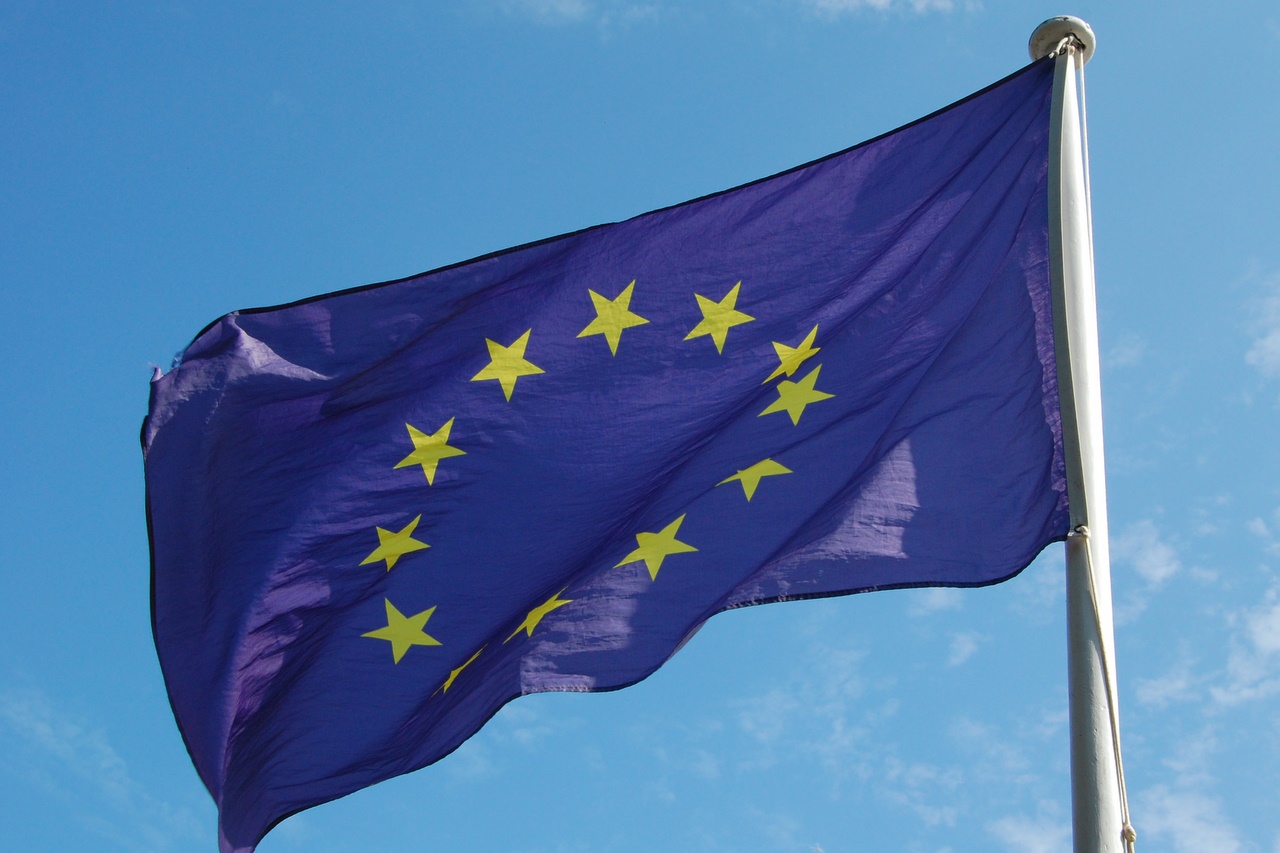
This is the name of the new strategy launched by the European Commission to show support and encouragement for the Western Balkans’ path to EU accession. The EU has announced ambitious plans for the Western Balkan region with plans to add countries to the European Union by 2025. The new push towards enlargement appears to be, with the aim of welcoming Western Balkan states in the EU within the next seven years, a turning point for the future of Europe. The President of the European Commission, Jean-Claude Juncker, is scheduled to visit the Western Balkans at the end of February as part of the new push.
Seemingly, the EU stance is that ‘the door remains open’ and offers greater support to the region but only if all bilateral disputes can be resolved. The conditions for accession are to strengthen the rule of law (such as media freedom and minority rights), economic reforms and regional stability. The EU strategy includes initiatives to help the countries implement European values and achieve the terms of the conditions. Increased EU support includes new investment commitments, estimated to be €1.07 billion for 2018 and more than what has previously been spent on average in the past 10 years.
Fresh interest in the Western Balkans, and the announcement for EU enlargement after admitting only one new member state in the past decade, comes following concerns of increased Russian and Chinese influence in the region.
Serbia and Montenegro have been identified as front runners for accession as they have candidate status and have already started membership talks. However, accession for these countries still remains extremely ambitious. Serbia must first clear many hurdles before they can join the EU. Most significantly, its shattered relationship with Kosovo must be legally agreed and normalised.
Macedonia and Albania too have candidate status but have yet to begin membership talks. Yet the ongoing name dispute between Greece and Macedonia must be rectified before Macedonia can be eligible for accession negotiations. Bosnia-Herzegovina applied for membership status in 2016 and Kosovo are on hold as other EU member states do not recognise their independence.
It is clear to all countries that a lot has to change regarding combating organised crime, establishing the rule of law, cutting out corruption and settling bilateral disputes. The EU strategy clearly states that all six countries demonstrate links with organised crime at all levels of government and administration. Juncker has also revealed that the EU will never again accept a state with unsettled border disputes, as with the case of Croatia and Slovenia and their long running border dispute. In the past the EU has laid too much importance on economic integration in the hope that political cooperation follows.
The EU’s sense of purpose here is clear. It is a huge challenge for any of the six countries to qualify for membership. With enlargement fatigue, voters have been skeptical of the increase in intra-EU migration and left them wondering if they can handle anything past its current economic problems. As evidently some countries joined the EU before settling existing issues. Plus, a recent rise in nationalist governments particularly in Poland and Hungary, have proven difficult for the EU to control democratic backsliding after accession. Yet the Balkan states are surrounded by EU members and their cooperation is important for the EU to attempt to control migration. Whilst the Western Balkans have already made significant concessions, it appears that the EU’s influence has started to wane. It is now suggested that only 26% of Serbs consider EU accession to be a good idea for the future of their country. And, as they surely know, Russia, China or Turkey would be ready to step in if the EU decided to step back.