The political name dispute between The Republic of Macedonia and Greece has been prevalent since WWII but reignited with new vigor after the break-up of Yugoslavia and the independence of the former Socialist republic of Macedonia, in 1991. The ongoing issue has roots in bilateral & international relations and national identity.
Dispute
Southeastern neighbours, Greece and Macedonia have been disputing over who owns the name ‘Macedonia’ since the dissolution of Yugoslavia. For both parties, the name is existential and essential to their national identity. After independence in 1991, the Republic of Macedonia became recognized as The Republic of Macedonia by over 140 nations. However, it was prevented from joining NATO or the EU because of the name dispute with Greece.
The northern province of Greece is called Macedonia, adjacent to The Republic of Macedonia and the ancient kingdom of Macedon, with its famous leader, Alexander the Great. For Greece, the name Macedonia will forever be Greek and it remains a part of their history that is non-negotiable. The dispute is now so symbolic and bound in history and identity that it has become emblematic. As a result, all reason and logic appears to have gone out the window. The Republic of Macedonia stands accused of appropriating symbols that are historically encapsulated in Greek culture. Such as, Alexander the Great and the Vergina Sun.
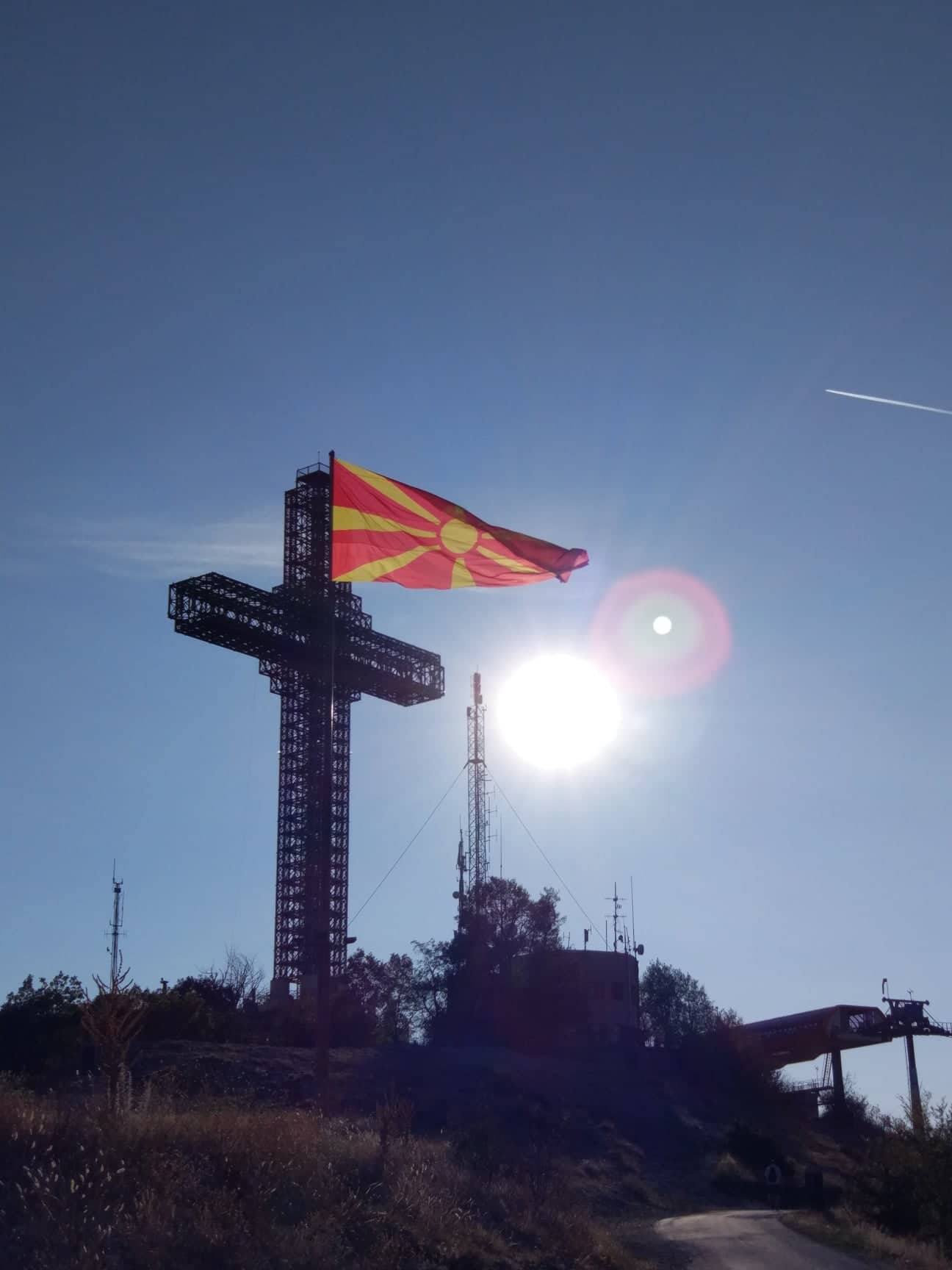
Meanwhile, the Republic of Macedonia consider Alexander the Great as part of their local identity. Their flag is emblazoned with the sun of Vergina, a symbol typically associated with Alexander and his Father, Philip found in ancient Greek art. Despite the fact that the Republic of Macedonia is a small country with little military threat, Greek governments have claimed that they have territorial plans its province.
Negative Effects
The name dispute has had significant effects on Macedonia and on the stability of the Balkans. In 1995 the counties formalised bilateral relations and committed to work towards a resolution, with the support of the UN. Until then, Macedonia is references ‘the Former Yugoslav Republic of Macedonia’ or FYROM, by international organisations. After independence in 1991, Macedonia was considered a favourite for EU accession. Yet for Greece, it appears that only its reputation is at stake.
Lake Prespa Accords
After almost three decades of dispute, on 12th June 2018, Greek Prime Minister Alexis Tsipras and Macedonia Prime Minister Zoran Zaev reached an agreement proposing that the republic of Macedonia would be renamed the Republic of North Macedonia. The deal also includes; recognition of the Macedonian language in the UN and that its citizens can be called Macedonians.
The proposed changes are to be put to a referendum in autumn 2018, which will eventually put Macedonia on a path towards EU and NATO accession. The news was met with big international congratulations as the pact opens up possibilities to NATO membership and EU accession talks. All previous attempts have been blocked by Athens and triggering security concerns from the West.
The Lake Prespa accord now eliminates the last traces of the old Yugoslavia; the new name will not only add a new title but also will change the map of Europe.